Adult life brings responsibilities that are rarely learned all at once. For adults with cognitive impairment, independence tends to develop gradually, through structure, repetition, and steady guidance. Life skills programs exist for this reason. They focus less on theory and more on the realities of everyday life.
At Brighton Launch, life skills learning is built around real routines, familiar environments, and progress that feels manageable rather than forced.
Why Life Skills Matter Beyond the Classroom
Many adults with cognitive impairment end up leaving school with an education but little or no practical knowledge on how to apply it in daily life. Other activities like money management, cooking or even social interaction might still feel new. These gaps tend to increase as time goes by unless they are supported appropriately.
Life skills programs offer a conducive environment where education does not seem intimidating but useful. Clearly defined schedules and directed activities assist the learners in knowing what to expect as they gain confidence at their own pace.
What Effective Life Skills Programs Focus On
Strong programs place everyday function ahead of abstract goals. At Brighton Launch, part-time life skills training allows learners to practise tasks they will return to again and again in adult life.
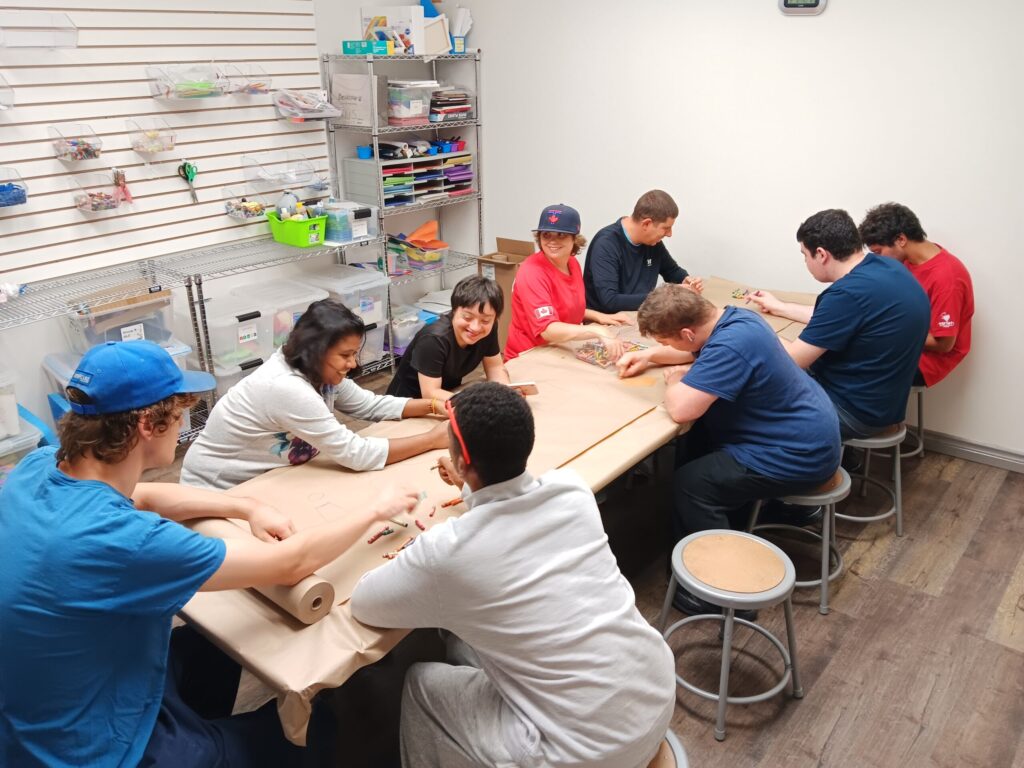
Independent living skills sit at the centre of this work. Learners practise organization, household routines, food preparation, shopping, and budgeting. Using real tools and real situations helps make learning tangible and relevant.
Social development is equally important. Learning how to manage emotions, understand boundaries, and interact respectfully helps learners feel more comfortable in shared spaces. With time, this confidence carries over into both familiar and unfamiliar environments.
Foundational skills continue to develop alongside daily routines. Reading, writing, numeracy, and digital skills are reinforced naturally, supporting independence without feeling academic.
The Value of Structured Practice
Progress is often built through repetition. Life skills programs give learners the chance to practise tasks consistently, with support always close by. Mistakes are part of the process, not something to avoid.
This environment encourages problem-solving. Learners gain a clearer understanding of what they can do and how to adjust when challenges appear. Brighton Launch supports this growth through steady routines that respect individual learning speeds.
Confidence Grows Through Experience
Confidence is rarely taught directly. It develops through experience. Preparing a meal, completing a shopping trip, or managing a small budget helps learners trust their abilities.
As confidence grows, learners begin to take a more active role in their routines. They make choices, express preferences, and take ownership of daily responsibilities. Over time, these small shifts add up to meaningful independence.
Supporting Communication and Self-Advocacy
Life skills programs also support communication and self-advocacy. Learners practice expressing needs, setting boundaries, and navigating social situations with guidance.
This awareness supports broader life goals. Whether engaging in community activities or preparing for future opportunities, self-advocacy is an essential skill. At Brighton Launch, educators recognize that confidence and communication develop gradually, shaped by consistent support.
Growth That Extends Beyond Daily Tasks
The impact of life skills training often reaches beyond routines. Learners become more adaptable, organized, and self-aware. These qualities influence relationships, community involvement, and long-term planning.
Progress looks different for each person. Programs that balance flexibility with structure tend to support lasting growth.
The Importance of a Good Life Skills Program
In the case of adults with cognitive impairment, life skills programs do not just provide instruction. They bring assurance and significant training in life as an adult. A properly designed developmental disabilities program is based on actual routines, social cognition, and progressive independence. Brighton Launch facilitates this process by providing a setting in which growth seems possible, personal, and supported at every stage of development.
